
Croatia vs England Preview: Behind Closed Doors in Rijeka Again, 6,000 Schoolchildren in the Stands, and Modric Still Running This Midfield at 41
England go to the Croatian coast on Saturday for a Nations League fixture that, in the strictest sense, nobody is meant to attend. UEFA has ordered Croatia to play this one behind closed doors, a sanction that traces back to supporter behaviour at the Stade de France in March 2025. And yet the 8,279-capacity Stadion HNK Rijeka is expected to end up around three-quarters full, because the disciplinary regulations leave one door open: children under 14, invited in free of charge. The Croatian Football Federation now expects between 5,500 and 6,000 of them, plus a 100-strong delegation of England supporters who were told at first that they could not come at all.
Why the Stands Are Supposed to Be Empty
The sanction has been hanging over Croatia for a while. UEFA’s Control, Ethics and Disciplinary Body ordered the Croatian Football Federation to play its next home UEFA competition fixture behind closed doors after discriminatory supporter behaviour during a Nations League tie with the Netherlands in June 2023. That punishment was suspended for two years. In May 2025 the Appeal Board ordered it enforced, following what happened at the Stade de France in March 2025: fireworks set off in the Croatia section during the quarter-final against France, and seven supporters taken into custody on suspicion of making Nazi salutes before being released without prosecution for lack of evidence.
Because Croatia opened this campaign away to Czechia and then away to Spain, Saturday is the first home fixture in UEFA competition since the ruling came into force. The federation was separately barred from selling tickets for its next away UEFA fixture, which is why the 2-1 win in Czechia on 26 September was played with no travelling Croatia support in the ground at all.
Then there is Article 73. UEFA’s disciplinary regulations list a series of exceptions to a closed-doors order, and one of them covers “children up to the age of 14 (duly accompanied) from schools and/or football academies invited to the match free of charge.” UEFA had initially been working on around 3,000 children plus carers. The federation’s current estimate is between 5,500 and 6,000, drawn from academies across the country and from schools in the Rijeka area. Add roughly 100 England supporters — the England Supporters Travel Club confirmed in September that UEFA had granted it that many complimentary tickets after discussions — and a ground built for 8,279 ends up considerably louder than the phrase “behind closed doors” suggests.
It is also not the first time. England played Croatia at this stadium in October 2018 with the stands shut, that time because a swastika had been marked on the pitch for a Euro 2016 qualifier against Italy. That match finished 0-0.
Head-to-Head: The Last Five
| Date | Competition | Result | Winner |
|---|---|---|---|
| 17 Jun 2026 | World Cup, group stage | England 4-2 Croatia | England |
| 13 Jun 2021 | European Championship, group stage | England 1-0 Croatia | England |
| 18 Nov 2018 | Nations League A | England 2-1 Croatia | England |
| 12 Oct 2018 | Nations League A, in Rijeka | Croatia 0-0 England | Draw |
| 11 Jul 2018 | World Cup semi-final | Croatia 2-1 England | Croatia (after extra time) |
England have won three of the last five, Croatia one, with one draw. Across all twelve meetings the record reads seven England wins, three Croatia wins and two draws. Croatia’s win in that run is still the biggest result in the history of this fixture — the 2018 semi-final that ended England’s summer — but it is also their only win in eight years of trying.
Four Things to Watch
1. A home crowd that is not a home crowd
Slaven Bilić took the job after Zlatko Dalić’s long tenure ended with a defeat to Portugal in the World Cup knockout rounds, and Saturday is his first home match of this campaign. He gets it in a ground filled largely with children rather than the support that normally makes Rijeka uncomfortable for visitors. Players talk often about feeding off noise; there will be noise here, but not the kind either side has prepared for. For England, whose away record in this Nations League run reads a win in Prague and a defeat to nobody since, it removes the single hardest part of the trip.
2. Modrić, at 41, is still the reference point
Luka Modrić is in the squad and, on every projection available, in the starting eleven. He is 41. Bilić’s group still leans on him alongside Mateo Kovačić, with Mario Pašalić, Luka Sučić, Petar Sučić and Martin Baturina around them, and Ivan Perišić still operating from wide. That is the same generational question Croatia have been carrying for three tournaments: the midfield is the best part of the team and also the part with the least time left. England, by contrast, go into this without Declan Rice and are likely to field a midfield pairing with a combined age roughly half of Modrić’s.
3. Pickford comes back, Bellingham comes in
James Trafford started both of England’s matches in this window and kept a clean sheet in Prague, but Tuchel had already told his goalkeepers before the Spain game that Jordan Pickford would get a run-out this month, and that is expected to be Saturday. Jude Bellingham was on the bench in Prague, came on for the last twenty minutes, and is widely projected to return in the advanced role at Morgan Rogers’ expense. The confirmed XI in Prague was Trafford; Alexander-Arnold, Chalobah, Guéhi, Hall; Anderson, Lewis-Skelly; Saka, Rogers, Gordon; Kane, with Anthony Gordon and Harry Kane scoring the goals after Pavel Šulc had been sent off in the 25th minute.
4. Two defences moving in opposite directions
Croatia have conceded nine goals across their last five matches and four of them came in Seville on Tuesday, where Spain won 4-1. England have scored fifteen and conceded ten over the same span, which is a flattering and an unflattering number at the same time. Tuchel’s side shut Czechia out completely once they were a man up, but the 3-2 defeat at Wembley to Spain showed what happens when the game opens up. If this one turns into the open, high-event match that almost every meeting between these two has been recently, the defence that holds its shape better takes it.
Predicted Lineups
Neither side had confirmed a starting eleven at the time of writing. The England selection follows the XI published by Sports Mole, which matches the shape used in Prague with three changes; one London-based outlet prefers Ezri Konsa and Jarrad Branthwaite at centre-back with Alex Scott alongside Elliot Anderson. The Croatia selection follows the projection published by Betora; a second outlet names Dominik Livaković in goal instead of Kotarski, and a third keeps Perišić at left wing-back. Treat both teams as provisional.
Croatia
- Dominik Kotarski
- Josip Stanišić, Josip Šutalo, Luka Vušković, Joško Gvardiol
- Mateo Kovačić, Luka Modrić
- Luka Sučić, Mario Pašalić, Petar Sučić
- Ante Budimir
Alternatives: Dominik Livaković in goal, Ivan Perišić at left wing-back, Franjo Ivanović or Igor Matanović up front, Martin Baturina in the attacking line. Unavailable: Martin Erlić and Josip Juranović both withdrew; Marin Pongračić, Kristijan Jakić and Lovro Majer were added to the group.
England
- Jordan Pickford
- Trent Alexander-Arnold, Trevoh Chalobah, Marc Guéhi, Lewis Hall
- Elliot Anderson, James Garner
- Bukayo Saka, Jude Bellingham, Anthony Gordon
- Harry Kane
Alternatives: Ezri Konsa or Jarrad Branthwaite at centre-back, Alex Scott or Myles Lewis-Skelly in midfield, Morgan Rogers or Eberechi Eze in the attacking line, James Trafford in goal. Unavailable: Nico O’Reilly returned to his club on Thursday and plays no part in the rest of the window; Declan Rice, Cole Palmer, Marcus Rashford, Kobbie Mainoo and Tino Livramento all withdrew before the first match. James Garner and Morgan Gibbs-White were called up.
Key Battles
Harry Kane against Luka Vušković
Kane scored in Prague for his country and has now scored in both matches of this window, and he is running into a Croatia back line that has conceded nine in five and four in its most recent outing. Vušković is the young centre-back asked to hold that line together next to Šutalo, with Gvardiol outside him. England’s route to Kane is well rehearsed — Alexander-Arnold’s delivery from the right produced Gordon’s goal in Prague — and Croatia’s problem is that the same delivery beat them repeatedly in Seville.
Modrić against an England midfield without Rice
This is the one that decides the tempo. With Rice out, England’s double pivot is some combination of Anderson, Garner, Scott and Lewis-Skelly, and none of them have been asked to control a game against a midfield with this much tournament experience. If Modrić and Kovačić get comfortable, England’s back four spend ninety minutes defending their own box. If Anderson can disrupt the first pass, Croatia’s attack is reduced to whatever Perišić and Budimir can make of long balls — which, on the evidence of Seville, is not much.
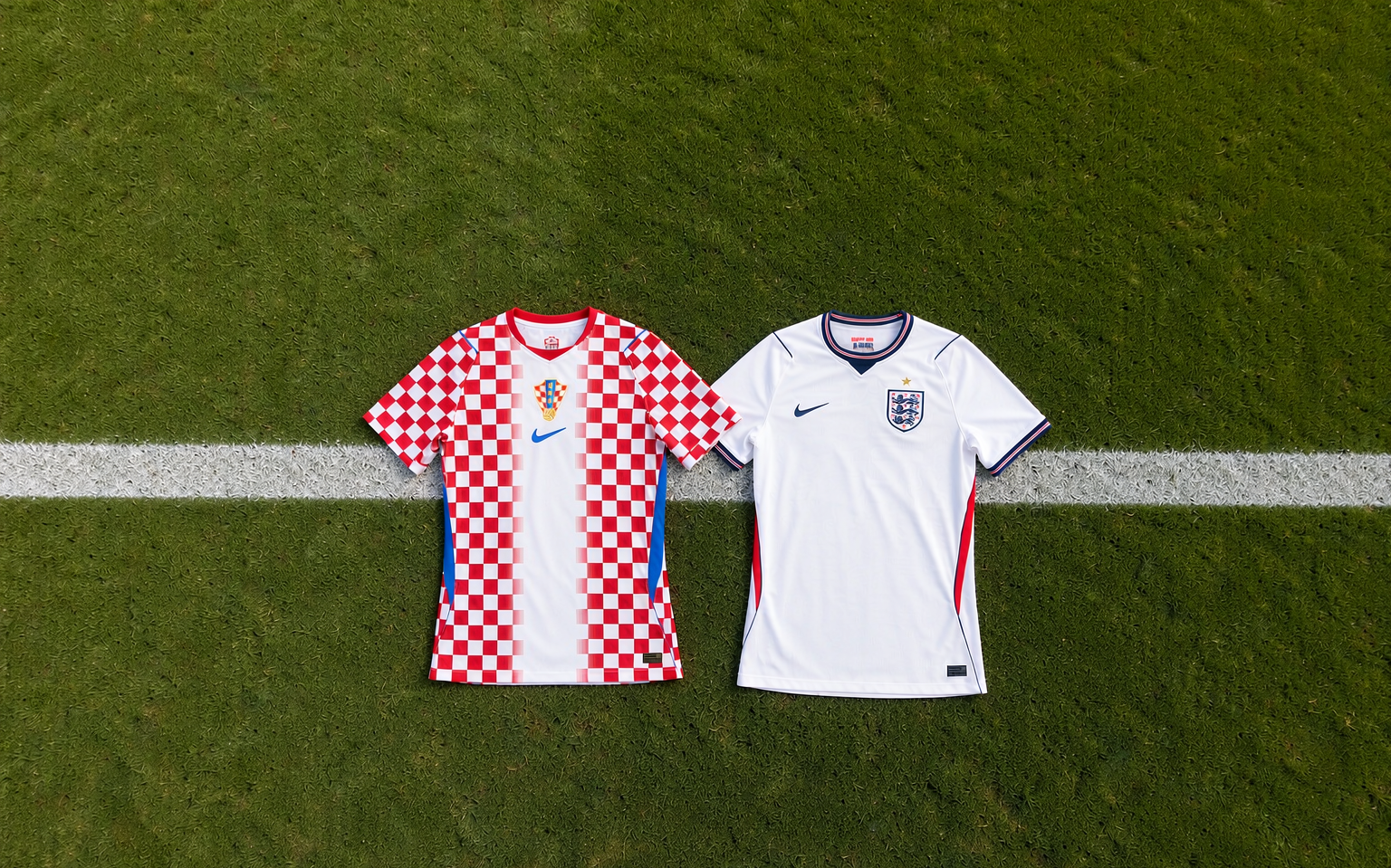
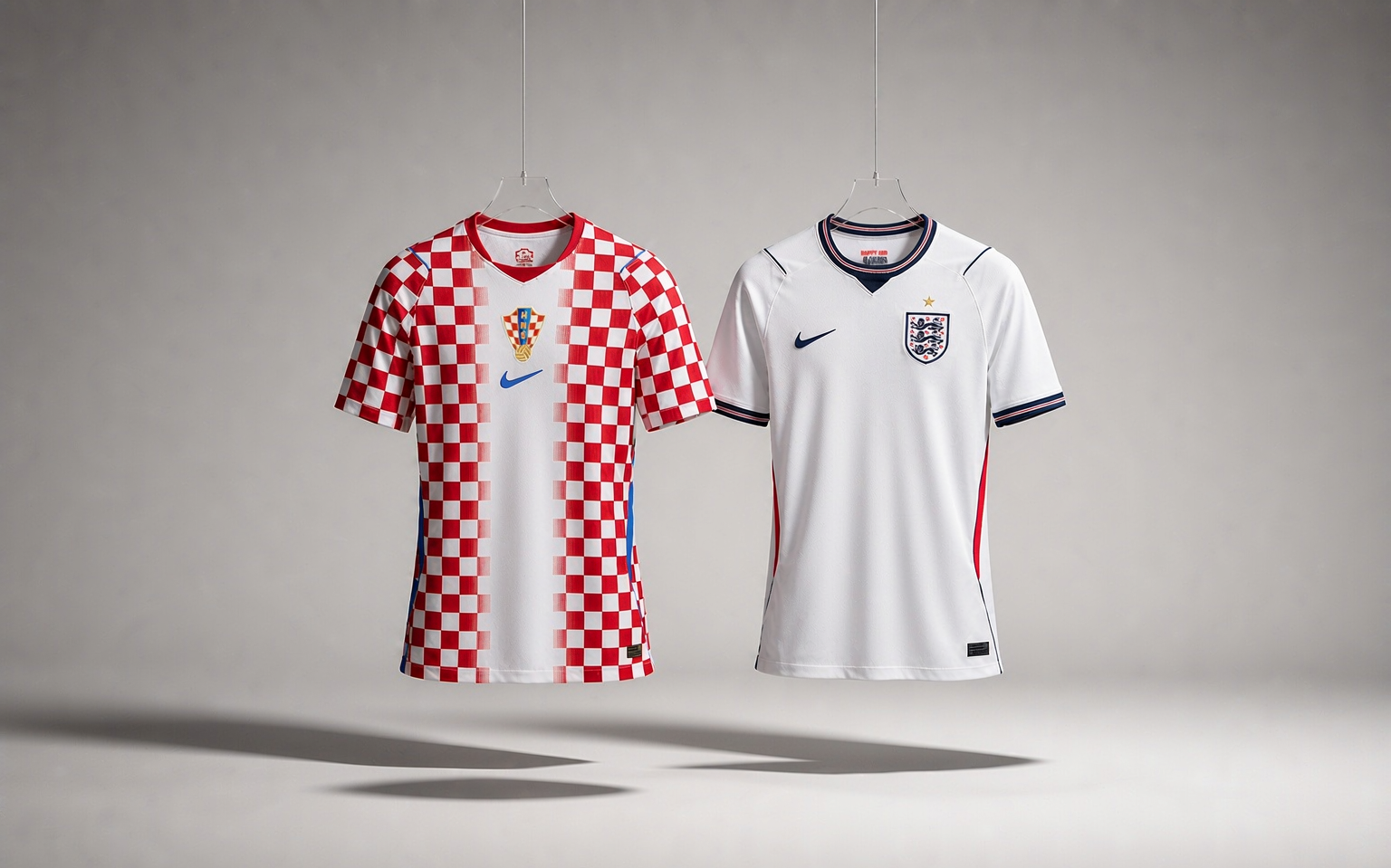
Kit Note: Croatia and England, 2026/27
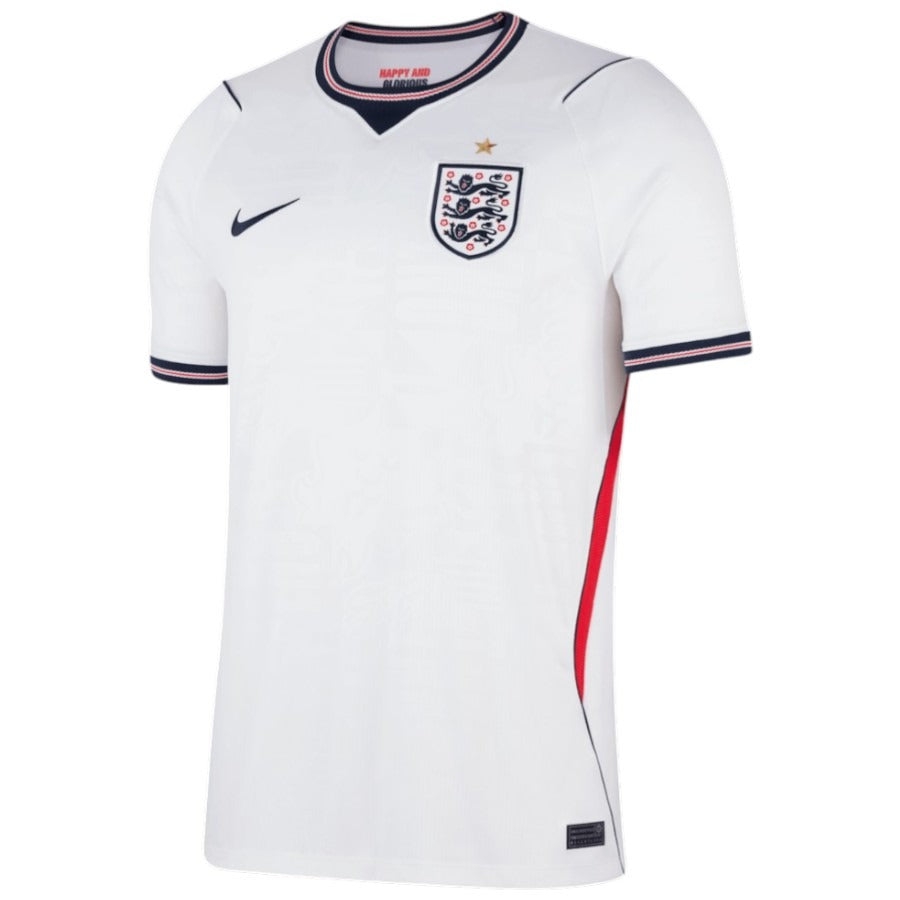
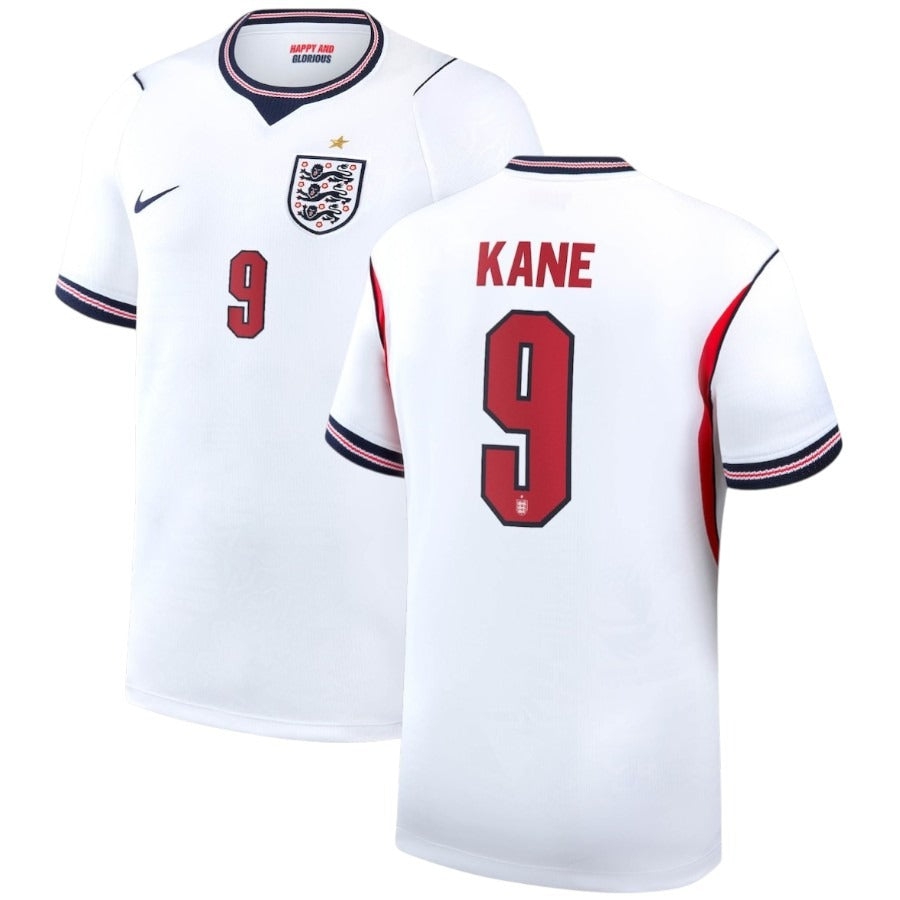
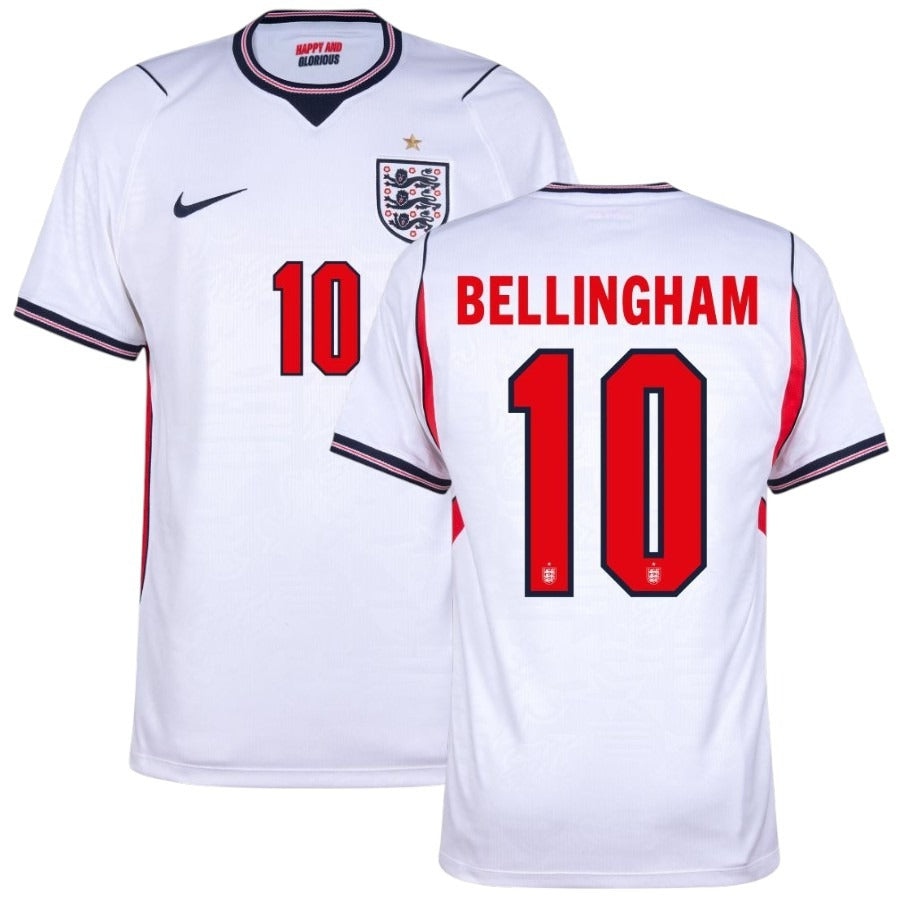
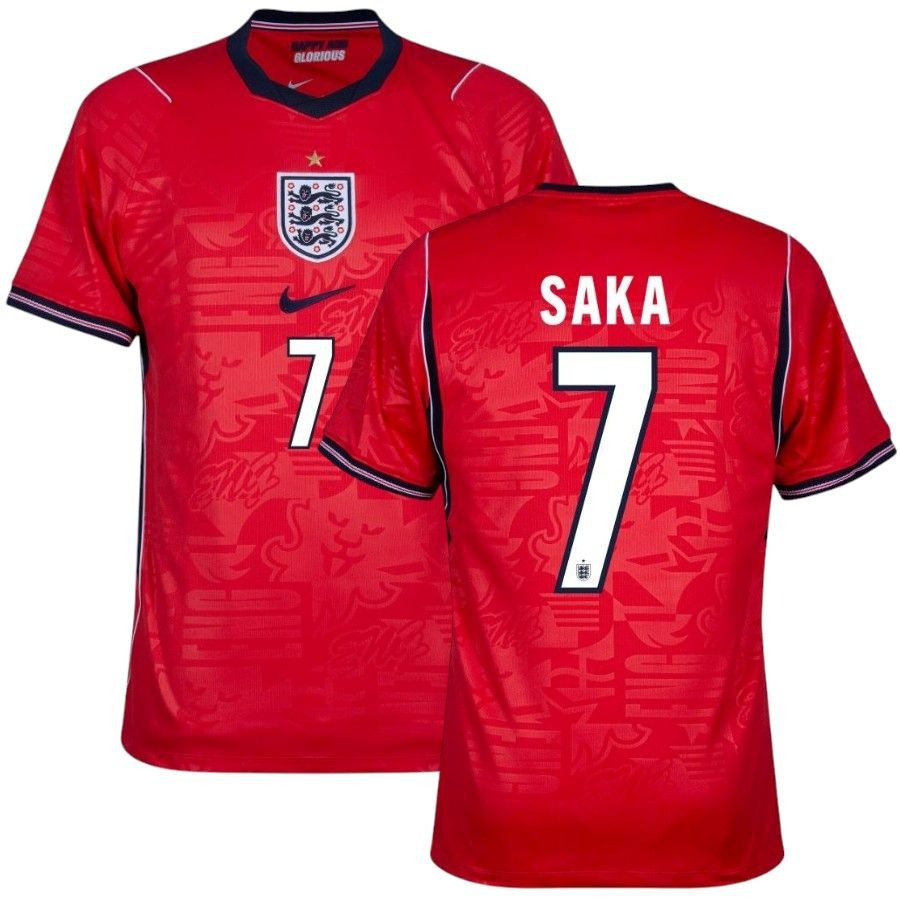
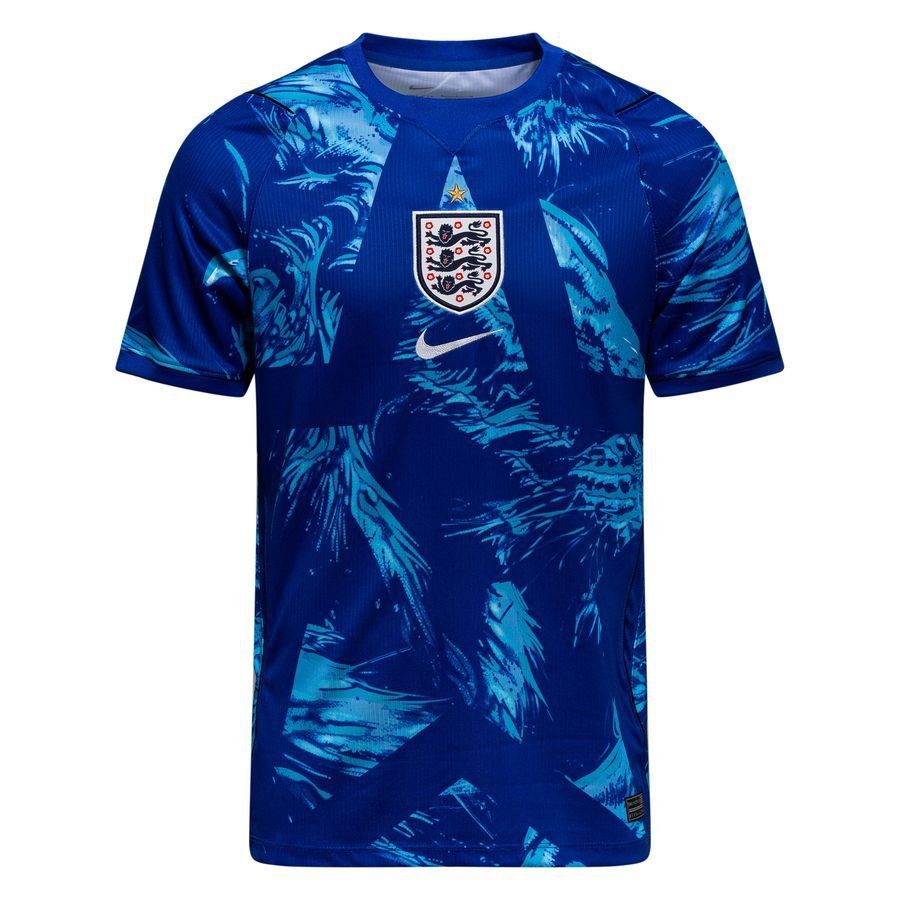
Croatia’s rail runs from the current home shirt — the one that still looks like nothing else in international football — through the away shirt and the kids home kit to the 1998 home shirt, which is the season that ended with a semi-final win over an England side very much like this one. England’s rail carries the current home shirt, the same shirt with Kane’s name and number on the back, the Bellingham print, Saka’s away shirt and the goalkeeper shirt worn in the squad that finished third at the World Cup this summer. Everything below is live in the shop and priced the same across every size, so browse the rails.
Croatia — the current home and away shirts, the kids home kit and the 1998 home shirt that belongs to the year they went all the way to a World Cup semi-final
Swipe to browse 4 Croatia shirts
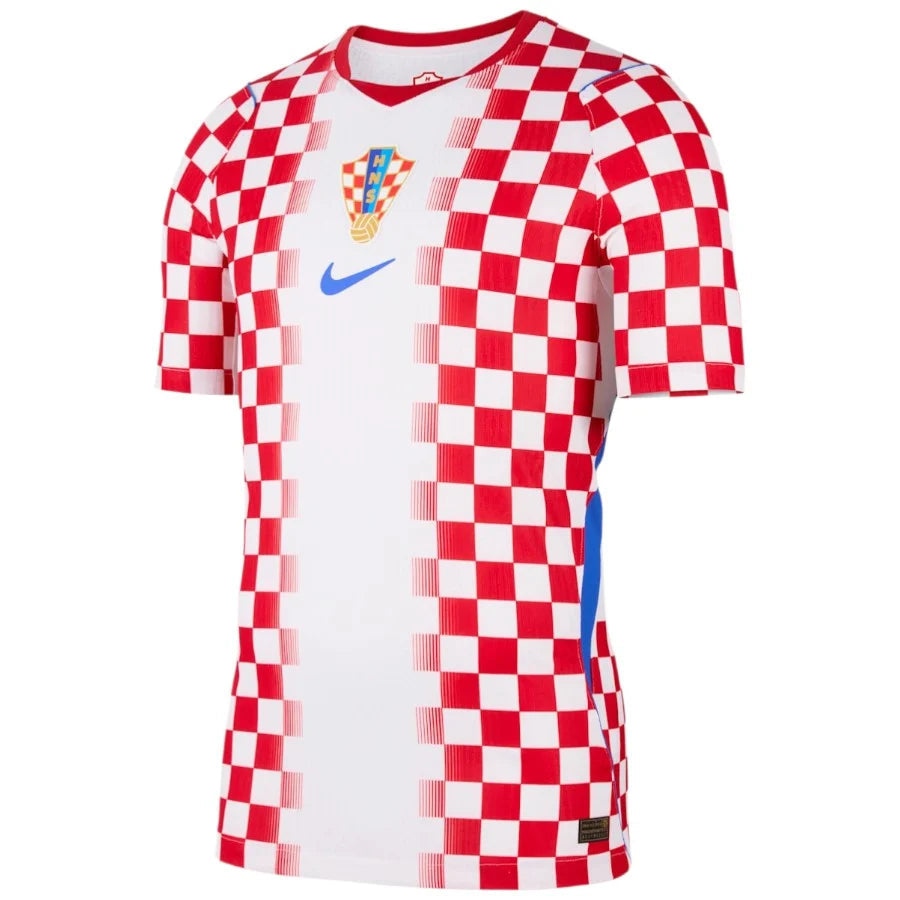

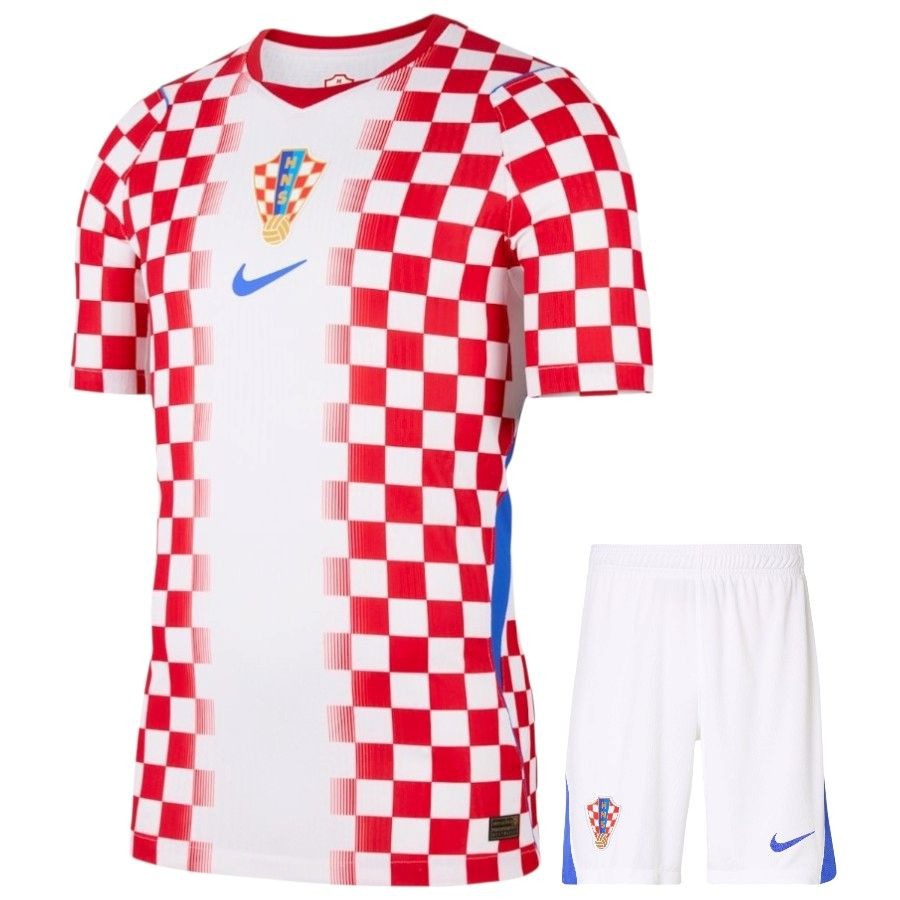
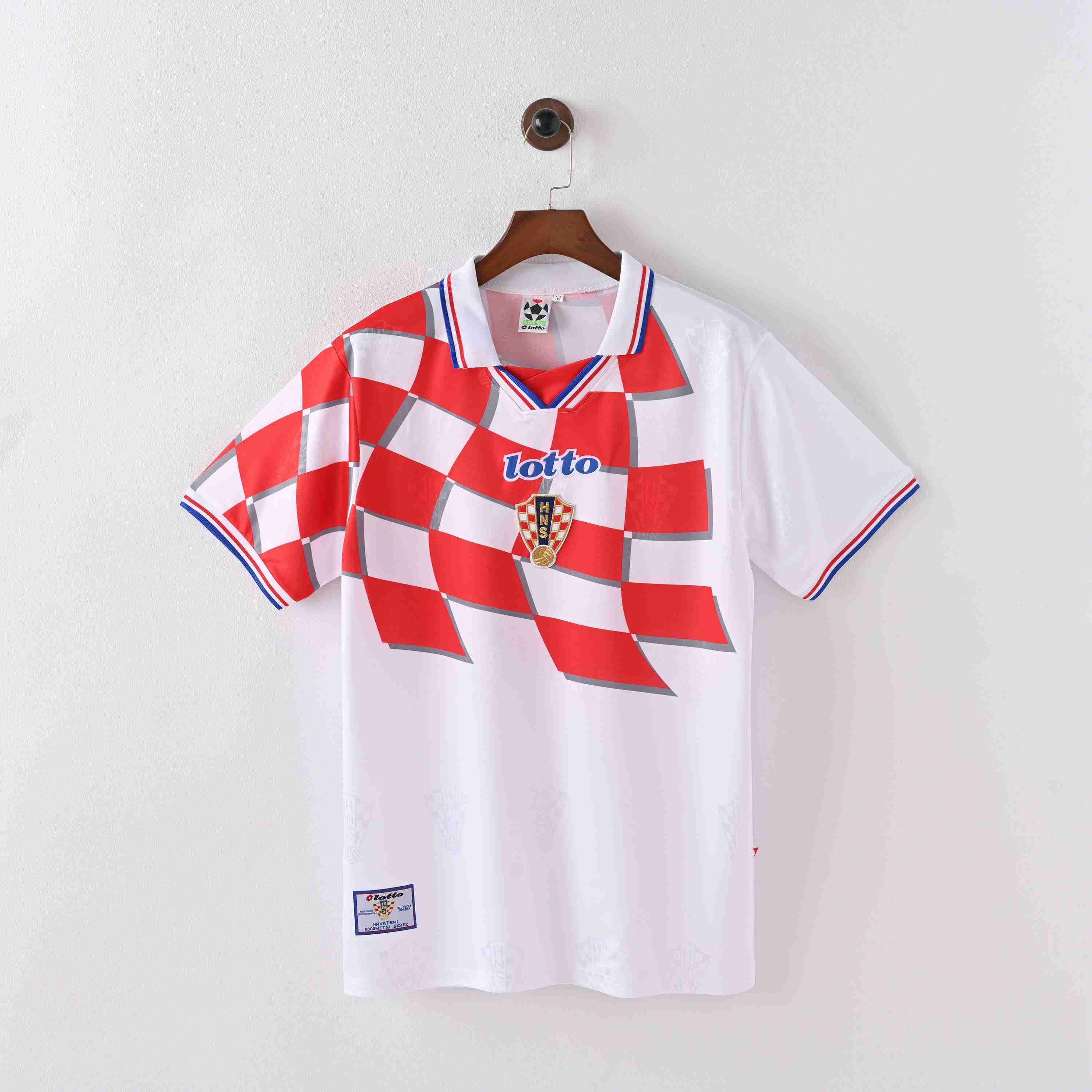
England — the current home shirt, the home shirt with the captain’s name and number, the same shirt with Bellingham on the back, Saka’s away shirt and the goalkeeper shirt
Swipe to browse 5 England shirts